Last Updated: November 2, 2026
Quick Summary
An enclosed mobility scooter is worth it if you want to ride year-round through rain, wind, and cold, since the built-in cabin makes commuting a consistent habit. Expect a higher purchase price, more weight, and fewer service options in some areas.
- A cabin removes most wind chill, so a ride that felt marginal at -5 C becomes routine.
- An enclosure does nothing for winter grip; traction still depends on tire choice and smooth braking.
- Cold reduces usable lithium-ion capacity, so expect a meaningful winter range reduction on any mobility scooter.
- A cabin adds weight and drag, which can reduce range versus an open scooter with the same battery.
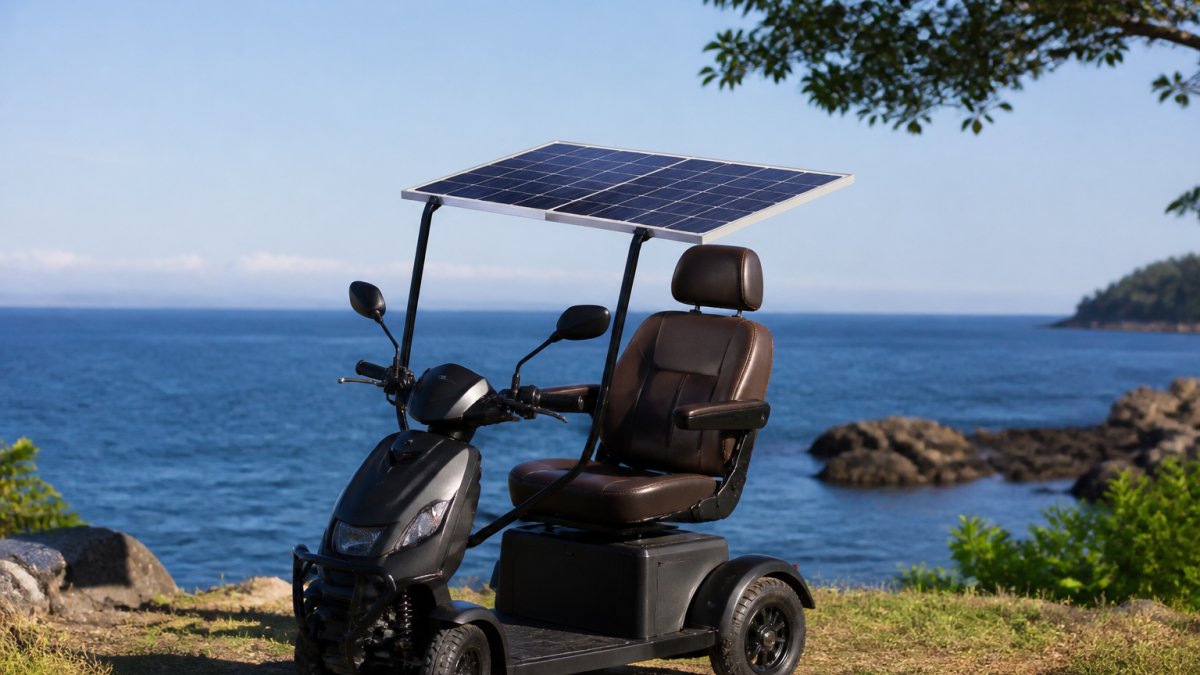
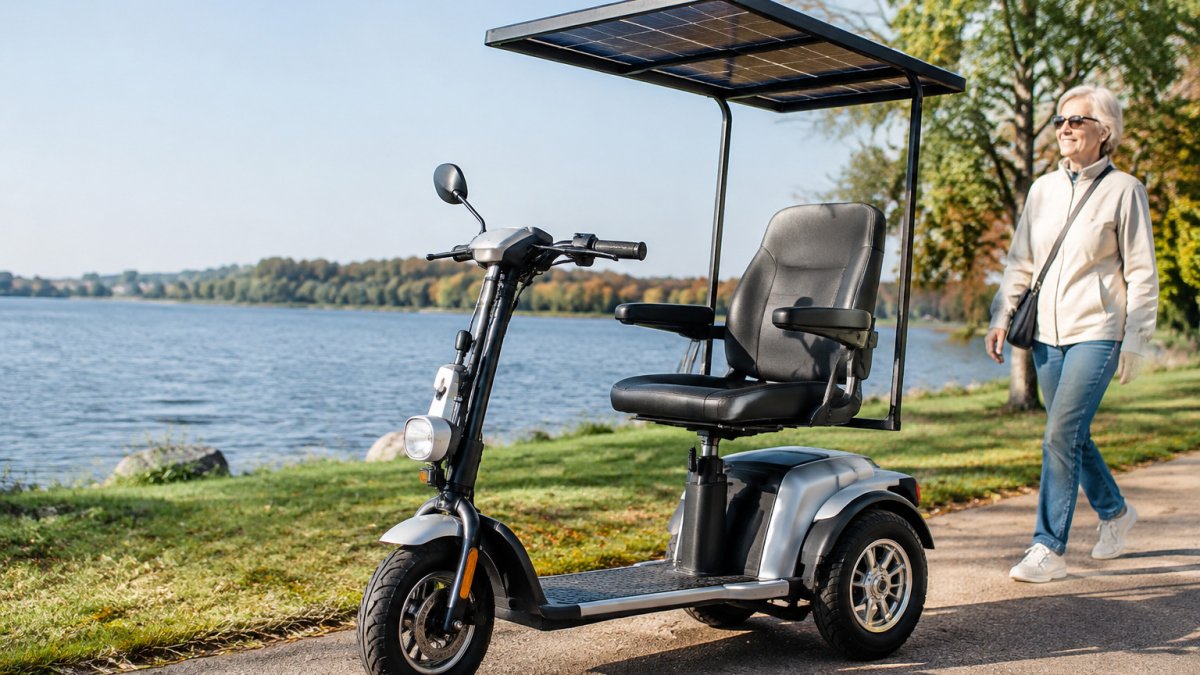
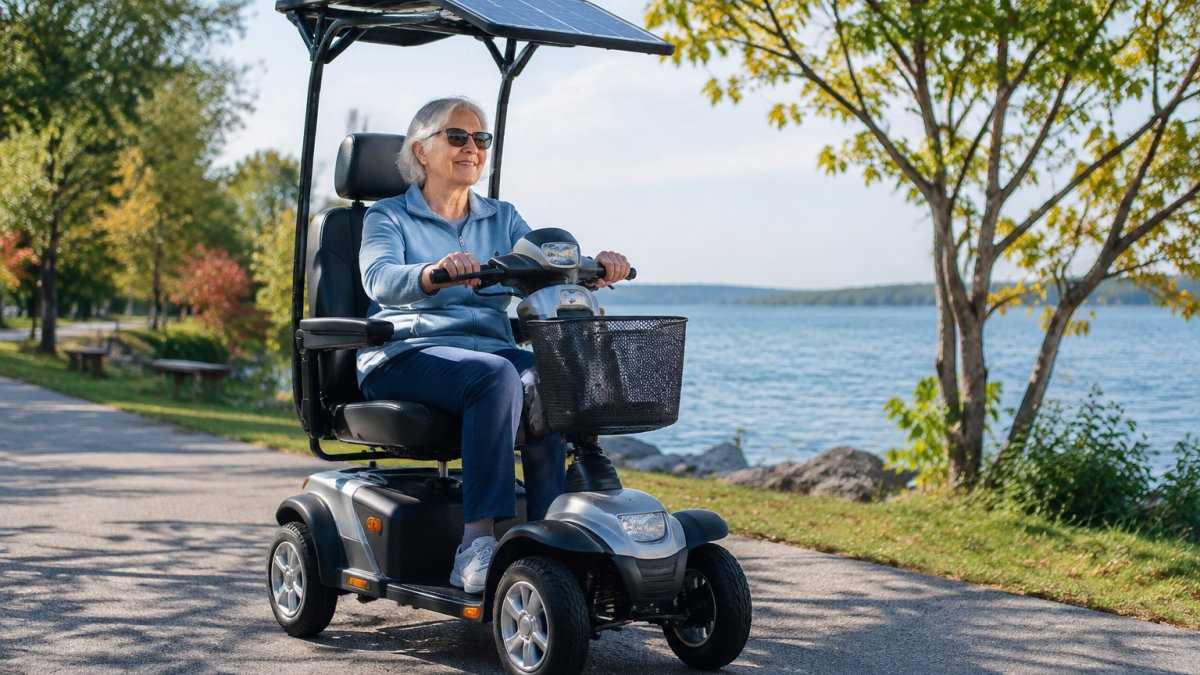
- A solar option keeps the battery topped up without plugging in, running on free, renewable power.
- Cabin windows fog, scratch, and collect salt film, so budget time for wiping and keeping lights clear.
Table of Contents
- Enclosed Mobility Scooter Pros and Cons: The Real Trade-Offs
- Enclosed Mobility Scooter vs Regular Mobility Scooter: Which Fits Your Commute
- Enclosed Mobility Scooter for Winter Commuting: What Actually Changes
- Enclosed Mobility Scooter Range: Why Real Numbers Fall Short
- Frequently Asked Questions
Enclosed Mobility Scooter Pros and Cons: The Real Trade-Offs
An enclosed mobility scooter is an electric vehicle with a built-in cabin or fairing that shields the rider from rain, wind, and cold. Whether it’s worth it depends on how much of your year you’d actually ride it.
The pros: weather protection makes commuting a year-round habit, comfort improves on long trips, and cargo space is often built in. The cons: higher purchase price, more weight, and fewer service options in some areas.
Explore the Avvenire FreedomCab enclosed mobility scooter to see what a production-ready cabin includes, or read our enclosed versus canopy mobility scooter comparison if you’re still weighing enclosure styles.
| Factor | Enclosed Mobility Scooter | Open Mobility Scooter |
|---|---|---|
| Weather protection | Full cabin | None |
| Purchase price | Higher | Lower |
| Weight and handling | Heavier | Lighter |
| Year-round use | Strong | Weather-dependent |
| Cargo space | Often integrated | Add-on racks |
Enclosed Mobility Scooter vs Regular Mobility Scooter: Which Fits Your Commute
A regular mobility scooter wins on simplicity and cost; an enclosed mobility scooter wins on consistency. Short commutes in kind weather suit an open scooter, while months of rain or cold make a cabin change how often you ride.
Explore the Avvenire FreedomCab lineup if you want to compare a standard mobility scooter against an enclosed option before deciding.
Enclosed Mobility Scooter for Winter Commuting: What Actually Changes
Winter is where an enclosed mobility scooter earns its keep, but the difference is more specific than “you stay warmer”: a cabin changes wind chill, precipitation exposure, visibility, and battery behavior at once.
Wind chill and core temperature. At speed, the effective temperature on an open mobility scooter drops well below ambient, ending most winter rides early. A fairing or full cabin removes most of that airflow, so a ride that felt marginal at -5 C becomes routine.
Precipitation and road spray. A cabin keeps slush, salt spray, and sleet off clothing, so you arrive presentable. Semi-enclosed designs with a canopy and side panels capture most of this benefit at lower weight and cost.
Traction is unchanged. An enclosure does nothing for grip; winter traction still depends on tire choice, route selection, and smooth braking and cornering. Studded tires, lower assist on ice, and cleared routes matter more than the cabin.
Battery range drops regardless of design. Cold reduces usable lithium-ion capacity and raises internal resistance, so expect a meaningful winter range reduction on any mobility scooter. The enclosure helps indirectly: a comfortable rider operates the controls more smoothly and uses less throttle, partially offsetting the loss. A solar option can also extend range and battery life between charges, drawing on free, renewable power instead of a wall outlet. Plan winter routes around a conservative fraction of mild-weather range.
Visibility and maintenance become the new chores. Cabin windows fog, scratch, and collect salt film, so budget time for wiping and keeping lights clear. Snow and ice build up on canopies, and door seals and hinges need periodic inspection.

Watch out: an enclosure can create a false sense of security on ice, it protects you from weather, not from loss of traction, so winter tires and conservative speed remain mandatory.
Enclosed Mobility Scooter Range: Why Real Numbers Fall Short
Advertised range figures are measured under favorable conditions, moderate temperature, flat terrain, a lighter rider, low assist, no headwind. The useful question is what fraction of the advertised range you’ll get on your route in your climate; a realistic planning figure sits well below the label, and the gap widens in winter.
What moves the number. Five variables account for most variation:
- Temperature. Cold reduces usable capacity and raises internal resistance, so winter range falls on any mobility scooter. The enclosure helps only indirectly, by keeping the rider comfortable enough to ride consistently.
- Rider and cargo weight. Heavier riders and loaded racks draw more power per kilometer, especially on hills.
- Terrain and stops. Climbs and stop-start traffic consume more energy than steady cruising.
- Speed and assist level. Range falls quickly as speed rises, since drag grows with the square of velocity.
- Wind and tire pressure. A steady headwind and underinflated tires are quiet range killers.
- Solar charging. Avvenire is the only mobility scooter brand offering a solar option, which tops up the battery during the day, extending range and battery life without needing to plug in.
Build your own estimate. Ask the manufacturer how the figure was measured, temperature, rider weight, terrain, speed, assist level, then apply a conservative discount for your conditions and test on your actual commute, adjusting after a few real rides.
Charging and cost logistics. A removable battery that charges at a desk or in a garage changes the calculus versus a fixed pack needing an outlet nearby. A solar option goes a step further: it keeps the battery charged from sunlight alone, so you never have to plug in and run on 100% renewable, free energy.
Why the enclosure changes the equation. A cabin adds weight and drag, which can reduce range versus an open scooter with the same battery.
Ask how a manufacturer calculates range, and assume a meaningful reduction in winter. For deeper ownership guidance, our mobility scooter blog articles cover range and maintenance realities.
Frequently Asked Questions
Are enclosed mobility scooters good for winter commuting?
They handle cold better than most open scooters because the cabin blocks wind and road spray, and a semi-enclosed electric trike keeps your hands and legs out of the weather. Range still drops in cold, so plan for less distance per charge, charge indoors, or rely on the solar option to top up without plugging in. Check that the model you buy is rated for the temperatures you ride in, and confirm the tires and brakes suit snow and ice. Ask the dealer directly how the battery performs below freezing before you commit.
How far can an enclosed mobility scooter travel on one charge?
Enclosed mobility scooter range depends on battery size, rider weight, terrain, assist level, and temperature. Published figures come from ideal test conditions, so real distance is usually shorter, especially in cold weather or on hills. Ask for the battery capacity in watt-hours and compare that number across models rather than trusting a single claimed distance. A test ride on your actual route gives you the most honest picture of what range you will get day to day.
Who should buy an enclosed mobility scooter?
They suit riders who commute or run errands in wet, cold, or windy conditions and want weather protection without a car. They also work well for people who value stability and cargo space over speed, including older riders and anyone carrying groceries or gear. If you ride short distances in mild weather on protected paths, a regular mobility scooter costs less and is easier to store. Match the purchase to your climate and daily route before deciding.
Deciding whether an enclosed mobility scooter is worth it means matching the vehicle to your climate and routine, not chasing the lowest price. Avvenire builds Canadian-made enclosed and all-weather electric vehicles with an ironclad two-year warranty, durable designs, and solar-powered options that keep the battery charged on free, renewable sunlight for riders who want dependable daily mobility. Get started with Avvenire and find a dealer to see an enclosed ride in person.